Description
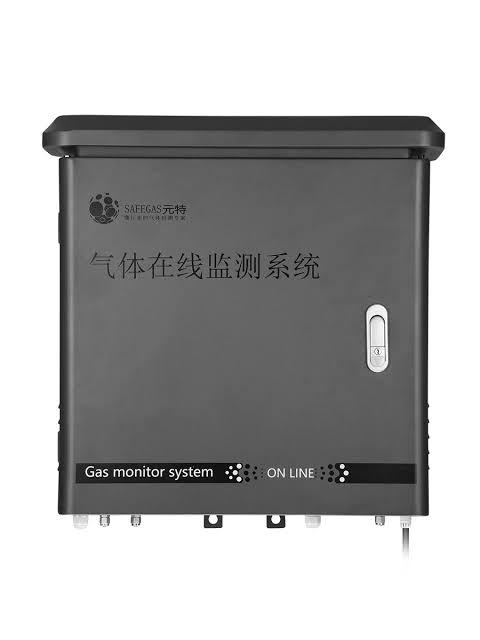
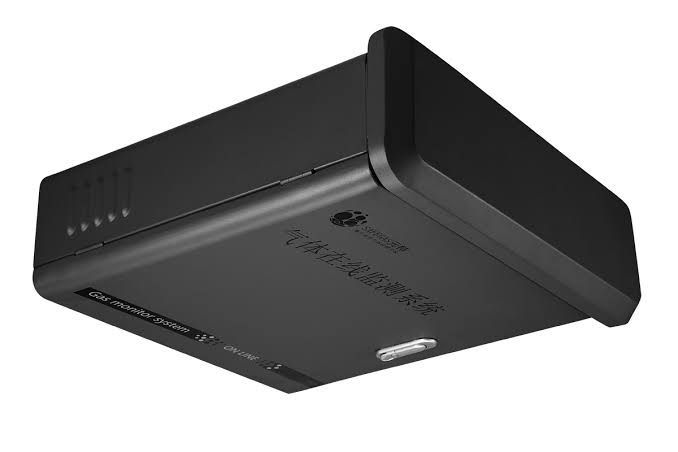
The Yuante YT-3000H-1-E is a gas detector.
Company background: an environmental company in the Shijiazhuang high-tech zone of Hebei, a comprehensive high-tech enterprise covering environmental research, design, production, maintenance, sales and system operation. It specialises in VOCs from coking chemical production, methanol VOCs and upgraded treatment of coking wastewater, including design, manufacture and construction of equipment and development, manufacture and sale of core equipment.
Mr Yu discussed coking-industry gas detection needs with me at an exhibition. He had used a competitor’s simplified on-line multi-gas monitoring system, which kept failing in the harsh environment. We agreed to talk in more depth; he judged our side to be very professional and asked his project manager, Mr Wang, to handle the requirement with me.
Mr Wang’s team thought of us for their new project. They had installed a laser methane analyser on site and wanted a second, cost-effective on-line methane monitoring system with a 0-100 %LEL range. The environment carries many corrosive impurity gases and moisture at ambient temperature. The gas mix includes oxygen, nitrogen, carbon dioxide, methane, hydrogen, hydrocarbons, carbon monoxide, a little ammonia, a little hydrogen sulphide, a little hydrogen cyanide, coking tar gas and a certain amount of dust.
1. We recommended the new YT-3000H-1-E pre-treatment unit with catalytic bead sensing. The unit meets explosion-proof requirements, with a 304 stainless steel enclosure and stainless steel connecting pipe, and an explosion-proof box housing the external pump and power supply. Gas is simply filtered for water, dust and oil before reaching the probe, which is a built-in SG100-EX explosion-proof probe. The customer had reported earlier catalytic sensors lasting less than three months; weighing the price difference between infrared and catalytic, they chose to try catalytic first. The big advantage of the SG100 probe is its digital plug-and-play sensor: even if the catalytic sensor fails, fitting an infrared sensor later is very easy.
2. A month after installation the end user was satisfied: catalytic readings matched the laser readings and measured above about 10 %LEL. After a month the catalytic reading began falling to 0 %LEL. The sensor was returned and tested as good. The customer bought a spare catalytic digital sensor; that one also drifted to zero within a week. They refitted the first sensor, which had seemed excellent, and a month later it too had failed on return. The likely cause is damage from an over-range event. With two spare catalytic sensors between them, three catalytic sensors were rotated over several months; switching to an infrared digital probe, half a month of operation showed no problem.
3. In very harsh environments a simple pre-treatment like ours is the first solution to be abandoned; it can be tried occasionally now, but it does cause trouble. The saving grace is that SG100 digital sensors only need to be posted back and forth – as easy as changing a light bulb. For coking plants, catalytic sensors are not suitable, possibly for two reasons: the actual concentration stays too high, or the platinum wire is corroded through. That is still my hypothesis and needs verification.
Specifications
| Range selection | 0-100%LEL |
|---|